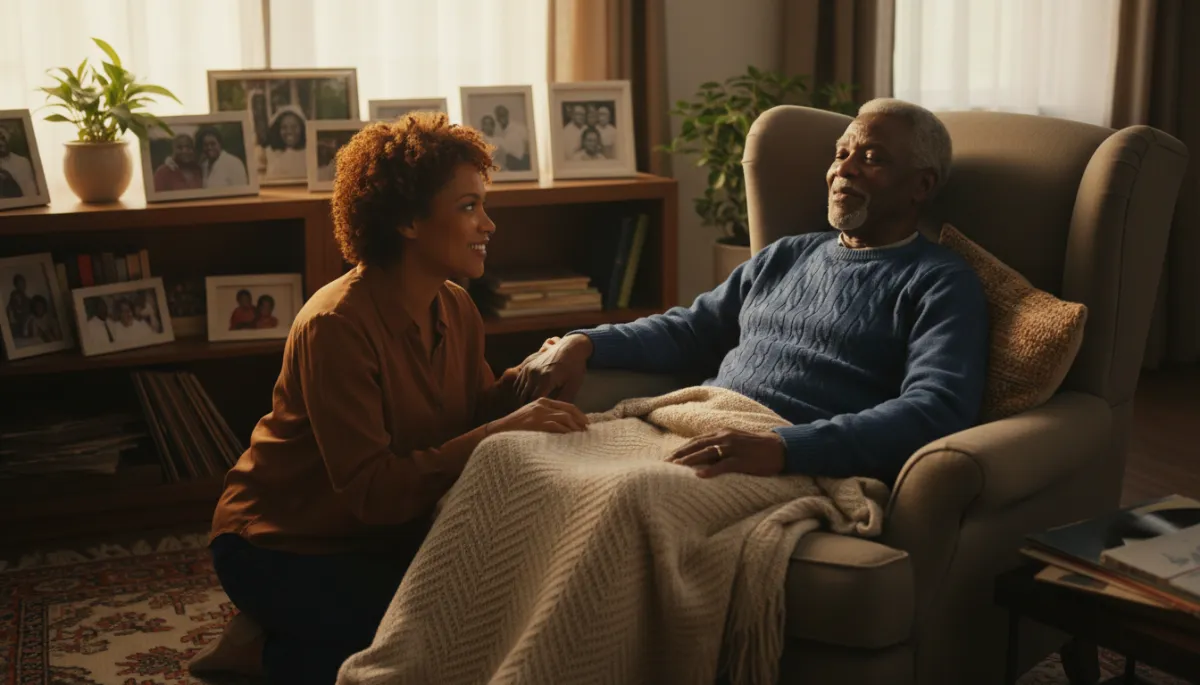
Feeling Overwhelmed After Bringing a Loved One Home? Start Here.
Giving family caregivers clarity and confidence during the critical first 48 hours at home.
The car is parked. The bags are inside. And now everyone's looking at each other wondering — what do we do now?
If that sounds familiar, take a breath. You haven't missed anything yet. The first 48 hours after bringing a loved one home — from a hospital, a rehab facility, or even a long trip — can feel like you're drinking from a fire hose. There's information flying at you from every direction, and the weight of responsibility is real.
But here's the truth: you don't have to have it all figured out in the first hour. You just need to know where to start.
This post walks you through exactly that.
First Things First — Slow Down Before You Speed Up
Your instinct might be to fix everything immediately. Set up the bedroom, handle the prescriptions, call the doctor, update the family, and make a healthy dinner — all before 3 PM.
Don't.
The most important thing you can do in the first hour is get your loved one settled comfortably and give everyone — including yourself — a moment to decompress. A calm entry sets the tone for everything that follows.
Help them get comfortable. Offer water. Let them rest. Then tackle the list.
Get the Space Right (It Doesn't Have to Be Perfect)
You don't need a hospital-grade setup. But the space does need to be safe, accessible, and functional.
Here's a quick scan to run through:
Clear the pathways. Remove rugs, cords, or furniture that could cause a trip or fall.
Keep essentials within reach. Medications, water, a phone, and the TV remote should never require a reach or a stretch.
Check the bathroom. Grab bars, a shower chair, or a raised toilet seat can make a significant difference — and you can order them online same-day if needed.
Night lighting matters. A nightlight in the hallway and bathroom is a small detail that prevents big accidents.
If something isn't perfect yet, that's okay. You can adjust as you go. The goal right now is safe, not Pinterest-worthy.

The Medication Conversation You Can't Skip
This is probably the most critical logistical piece of the first 48 hours — and the most commonly mishandled one.
Before anything else, sit down with the discharge paperwork and do the following:
1. Create a current medication list.
Write down every medication — name, dosage, time of day, and what it's for. Include over-the-counter supplements. This list goes everywhere: the refrigerator, your phone, and the caregiver bag.
2. Reconcile what's new.
Hospitals often add, adjust, or stop medications. Make sure you know what changed and why. If you're not sure, call the nurse's line — that's what it's there for.
3. Set up a system.
A simple pill organizer with AM/PM slots works beautifully. If medications are time-sensitive, set phone reminders. Don't rely on memory — yours or theirs.
4. Know what to watch for.
Ask the discharge nurse or the primary physician: What side effects or symptoms should prompt a call? Write it down. Tape it somewhere visible.
Who's Doing What — Because "We All Will" Never Works
If there are other family members involved, now is the time to have a short, honest conversation about roles. Not a big family meeting — just a clear understanding of who owns what in the immediate term.
Some things to divide up:
Who handles medications
Who manages doctor follow-up calls and appointments
Who's the overnight point person (if applicable)
Who runs errands and picks up supplies
Caregiver burnout starts when one person silently absorbs everything. A quick role conversation on Day 1 prevents a breakdown on Day 10.
No blame. No pressure. Just clarity.
Follow-Up Appointments Are Non-Negotiable
One of the most overlooked parts of a hospital discharge is what happens after — and it can directly affect recovery.
Before the end of the first 24 hours, confirm the following:
Primary care follow-up— Most discharge instructions require a visit within 5–7 days. Call to confirm that appointment exists.
Specialist visits— If a cardiologist, wound care nurse, or physical therapist was ordered, make sure those are on the calendar.
Home health visits— If a nurse or therapist was authorized to come to the home, confirm the first visit date and what to expect.
If something on the discharge paperwork isn't clear, call the hospital's discharge planning line. They exist for exactly this reason. Don't guess.
Know When to Call for Help — And Don't Wait
New symptoms, sudden changes in behavior, or something that just doesn't feel right — trust that feeling.
Call the doctor (or 911) immediately if your loved one experiences:
Chest pain, difficulty breathing, or irregular heartbeat
Sudden confusion or disorientation that's new or worsening
A fever above 101°F (or whatever threshold was given at discharge)
Signs of infection around any wound site
A fall — even one that doesn't seem serious at first
You are not overreacting. You are advocating. And advocating is exactly your job right now.

Take Care of the Caregiver — That's You
This section is short because you might be tempted to skip it. Don't.
You cannot pour from an empty cup — and that's not a motivational poster platitude, that's just physics.
In the first 48 hours:
Eat real food. Not just whatever's left on the plate.
Sleep when you can. Even an hour matters.
Ask for help. The people who said "let me know if you need anything" actually mean it. Give them something specific.
Check in with yourself. Caregiver stress is real, it accumulates fast, and it affects the quality of care you're able to give.
There will be harder days ahead. Pacing yourself now is not optional — it's strategic.
You've Got This — One Hour at a Time
The first 48 hours aren't about doing everything right. They're about doing enough — safely, calmly, and with some grace for yourself in the process.
You showed up. You brought them home. That already took courage, love, and a whole lot of logistics.
Now you just take it one hour at a time.
And when you need a resource, a checklist, a connection to local support, or just someone who gets it — we're here. That's what this community is for.
